

 by
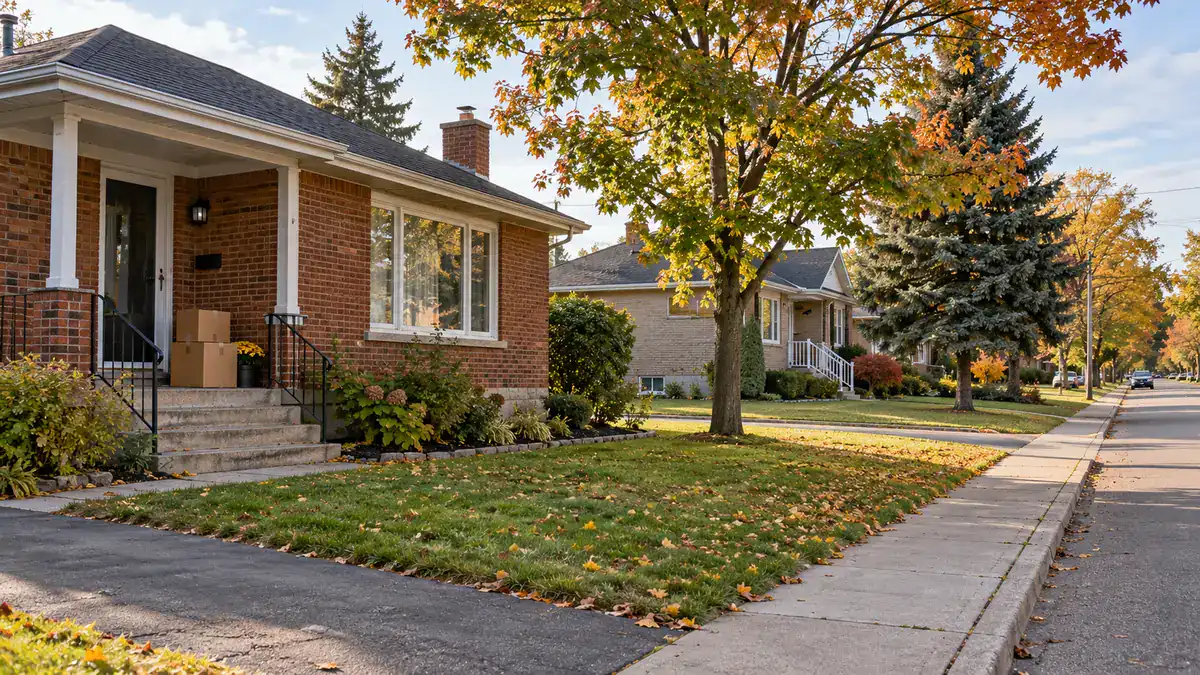
If you’re buying and selling a home in Sault Ste. Marie, there’s a good chance one question is holding up everything else: do you put your house on the market first, or find the next place before you sell?
I understand the hesitation. Sell first, and you might worry about finding somewhere to go. Buy first, and you might worry about paying for two houses. Neither is a small concern when your savings, your family, and your moving date are involved.
My starting point is straightforward: work out which risk you can actually manage. For some homeowners, that means selling first and knowing the numbers. For others, securing a very specific next home matters more, provided the financing can support it.
Here’s how I would work through that decision with you.
Should You Buy First or Sell First? The Short Answer
Selling first usually gives you more certainty about your budget. Buying first gives you more certainty about where you’ll live. The right order depends on your available cash, lender approval, the likely sale of your current property, and how flexible you can be about your next home.
Sell first
Worth considering when: you need the sale
proceeds to fund the move, want a clearer
purchase budget, or cannot comfortably cover
an overlap.
Plan for: finding your next place before the
agreed closing date, or arranging somewhere
to stay in between.
Buy first
Worth considering when: the next home must
meet specific needs and your lender has
confirmed how the purchase will work
before your sale closes.
Plan for: a slower sale, a lower sale price, and
the cost of owning both properties during
an overlap.
Rob’s take on timing
I would rather help you plan for an awkward few weeks than have you commit to a purchase that only works
if everything goes perfectly. The best order is the one you can afford to follow through on.
Start With Your Two Homes, Not the Citywide Headline
A headline about the Sault market cannot tell you how quickly your particular house will sell, or how easily you’ll find its replacement. Those are two separate questions.
A family selling a detached home and looking for another with more bedrooms may have several areas to consider. Someone who needs a bungalow with main-floor laundry, few entry steps, and room for visiting family may have a much narrower search. A rural move adds another set of questions about access, services, and maintenance.
I’d want to compare recent sales and competing listings for your current home, then look at what is actually available within your next-home budget. Are there several workable choices, or have you been waiting months for one layout?
If the location is still open, my Sault Ste. Marie neighbourhood guide can help you narrow the search. You can also browse homes currently for sale to see whether your wish list matches the available options.
When Selling Your Home First Makes Sense
Selling first deserves a close look if the money from your current home is essential to the purchase. Once you have a firm sale, you have an agreed price and closing date to plan around, although the funds are not available until the sale closes and closing risk remains.
That can make the next purchase easier to judge. You can set a budget using the agreed sale price, your mortgage payout, and the costs of the move, instead of building it around the number you hope to get.
I would lean toward exploring this route if:
- Carrying both homes would put pressure on your monthly budget.
- Your down payment depends on the equity in your current property.
- Your house needs preparation before it will show well.
- You have a fairly flexible list of next-home options.
- You have a workable place to stay if the dates do not line up.
The difficult part is the gap between selling and finding the next place. A longer closing can give you time, if your buyer agrees. Temporary accommodation and storage may be another option, but check availability, cost, pets, accessibility, and how a second move would affect your household before relying on it.
Give yourself a real backup
“We’ll stay with family” needs a little more detail. For how long? Where will the furniture go? What happens
if the search takes longer than expected? Those conversations are easier before there’s a moving truck booked.
When Buying Your Next Home First Can Make Sense
Buying first may be worth considering when the home itself is the hard part of the move. You might need a particular layout for mobility, want to stay near family, or need space that is difficult to find within your budget.
It can also give you time to clean, paint, or move gradually before leaving the old house. That convenience has a cost, and it needs to be part of the decision.
Before I’d be comfortable building a buy-first plan, I would want you to have:
- A lender-confirmed plan for the new purchase and any period of overlap.
- A clear source of cash for the offer deposit and other upfront expenses.
- A realistic sale-price range for your current home.
- A preparation and listing plan that is ready to act on.
- A financial cushion if the sale takes longer or brings less than expected.
The pressure can change quickly once you have committed to buying. An offer on your old house may feel very different when another closing date is approaching. I’d want you to know in advance how long you can carry that situation and when we would need to revisit pricing.
If getting your home ready is the missing piece, start with my guide to selling a home in Sault Ste. Marie.
Get the Financing Answers Before You Choose the Order
When buying and selling a home in Sault Ste. Marie, equity and available cash are not the same thing. You may have substantial equity in your house and still need a separate plan for the deposit on your next purchase.
Ask your lender or mortgage broker to work through both sequences with you. Explain that you already own a home and want to understand what happens if the purchase closes before the sale. Ask what approval depends on and what still needs to be checked for the property you choose.
Bring these questions to the conversation
- Does my approval depend on selling my current property first?
- Where will the offer deposit and purchase down payment come from?
- What financing is available if my purchase closes before my sale?
- Can I port my current mortgage, and what deadlines or restrictions apply?
- What mortgage payout, discharge costs, or prepayment charges should I budget for?
- What changes if my home sells for less than we expect?
Paying off a mortgage before the end of its term can trigger a prepayment charge, depending on the contract. Ask your lender for a current written estimate. The Financial Consumer Agency of Canada explains mortgage prepayment charges and your information rights.
Bridge Financing: Useful, but Check What You Qualify For
Bridge financing can help cover a timing gap when you buy your next home before receiving the proceeds from your current sale. It involves borrowing, with interest, fees, and approval requirements.
Do not assume it will be available while your house is still unsold. For example, RBC’s bridge-financing guidance says a firm sale agreement must be in place on the existing home. Ask your own lender what it requires and get the arrangement confirmed before relying on it.
A loan that covers a known gap between closing dates is a different planning question from funding a purchase when you do not yet know when, or for how much, your current home will sell.
Can You Make an Offer Conditional on Selling Your Home?
A sale-of-property condition is one option to discuss. RECO’s buyer’s checklist identifies the sale of your existing home, financing, and a home inspection as possible offer conditions that can provide protection.
Whether a seller will accept your proposed terms depends on the property and the other offers available. Have your agent and lawyer explain the wording, deadlines, and any clause allowing the seller to continue marketing the home. Understand what you would need to do if another offer arrives.
I would not treat removing a condition as a small administrative step. Before you do, make sure you understand the commitment you are taking on and can fund the purchase.
Plan the Closing Dates Alongside the Price
Two offers with the same price can have very different consequences for your move. A buyer who can work with your preferred closing date may help you avoid a storage bill, a second move, or an overlap you cannot fund.
There are three arrangements worth discussing with your lawyer and lender:
Sell, then buy after a gap
You arrange somewhere to stay between homes. Confirm how and when the sale funds will be available for
the purchase, and budget for accommodation, storage, and moving twice.
Buy, then sell after a short overlap
You may gain time to move or prepare the next home. You also need approved funding and a budget for
both properties during the overlap.
Close both transactions on the same day
This can be coordinated, but it leaves little room for a delay. Ask your lawyer how the transactions depend
on one another, when keys may be available, and what the backup plan should be.
Include insurance and utility arrangements in that conversation, especially if one home will be empty. Confirm possession details before promising the movers a specific time.
Work Out What You’ll Keep, Not Just What You’ll Sell For
The sale price is only the starting number. Before deciding what to spend next, allow for your mortgage payout, selling fees and applicable taxes, legal costs, preparation, moving, and any borrowing costs.
On the purchase side, budget for the deposit, down payment, legal costs, applicable land transfer tax, closing adjustments, inspections, and immediate work the home may need. Your lawyer and lender can help put actual figures beside those items.
One number I would want on paper
How much cash will you have left after both transactions and the move? That cushion matters when the
furnace needs attention, the moving bill is higher than expected, or the sale price lands at the lower end
of the range.
For a starting point on the sale side, request a home evaluation. We can then build the moving plan around a realistic range.
My Preferred Starting Point: Prepare Both Sides Before Committing
You can do useful work before deciding which contract to sign first. Preparing your home does not mean you have to list it tomorrow, and looking at homes does not mean you have to buy one.
- Value the current home. Review comparable sales, competition, condition, and a sensible price range.
- Confirm the financing. Have your lender explain both a sell-first and a buy-first scenario.
- Prepare for photos and showings. Handle the cleaning, decluttering, and small repairs that would otherwise hold up a listing.
- Test the next-home wish list. Separate what is essential from what would simply be nice.
- Price the backup plan. Know the cost of temporary housing or a funded overlap before either becomes urgent.
- Choose the sequence. Make the decision using the homes, numbers, and options in front of you.
If you are moving to a smaller place, my downsizing guide for Sault Ste. Marie homeowners goes further into choosing a home that will make daily life easier.
Buying and Selling a Home in Sault Ste. Marie: Your Decision Checklist
Before you commit to either side, I’d want you to be able to answer these questions:
- Do I know the likely net proceeds from my sale?
- Has my lender explained what I can fund before the sale closes?
- Can I access the deposit when the purchase agreement requires it?
- How many suitable next homes are available within my budget?
- What happens if my sale is slower or lower than expected?
- Where will we live if there is a gap between homes?
- Have my lawyer and lender reviewed the proposed timing?
If several answers are still unclear, that is where we start. There is no prize for choosing “buy first” or “sell first” before you have the information to make it work.
How I Can Help You Put the Move Together
I can help you compare the likely sale of your current home with the options for your next one, decide what needs doing before listing, and negotiate with your overall timing in mind.
Bring me your must-haves, your concerns, and any dates you need to work around. We can put those beside a realistic home value and the financing guidance from your lender. That gives us something useful to work with, whether you are ready to move soon or still figuring it out.
Buying and Selling a Home in Sault Ste. Marie? Let’s Plan the Order.
Tell me about your current home and where you want to go next. I’ll help you work
through the property side of the decision before you feel rushed.
Rob Trembinski | EXIT Realty True North
rob@sellingthesault.com
705-257-9648
Frequently Asked Questions
Sell first if knowing your sale proceeds and limiting financial overlap are your priorities. Buying first may suit a very specific home search if you have a lender-confirmed funding plan. Compare your finances, next-home options, and backup accommodation before deciding.
It may be possible, but you need to confirm how you will fund the deposit, down payment, and any overlap. Ask your lender whether approval depends on a sale. Do not base a firm purchase on an assumed sale price or assumed financing.
Do not assume so. Some lenders, including RBC in its published guidance, require a firm sale agreement. Ask your lender what applies to you, including costs, deadlines, and what happens if the sale is delayed.
You can discuss a sale-of-property condition with your agent and lawyer. The seller must accept the terms. Understand the deadlines and any clause that lets the seller keep marketing the property before you sign or remove a condition.
Equity is not automatically available cash. If your sale has not closed, ask your lender how you can access the money and what approval is needed. Confirm the deposit amount and deadline in the purchase agreement.
It may be workable, but it needs coordination. Ask your lawyer how the sale funds, purchase funds, and key release will be handled, and what happens if one transaction is delayed. Compare that plan with the cost of a gap or an approved overlap.
Arrange a backup before committing to the sale. That might mean negotiating a longer closing if the buyer agrees, or budgeting for temporary accommodation and storage. Be clear about what you can compromise on in the home search and what you cannot.
Start with a realistic value for your current home and a financing conversation. Then compare suitable next homes within the budget. Those three pieces will help you decide the order with fewer assumptions.
Ready to Take the Next Step?
- Know your starting point: Request a home evaluation.
- Explore your options: Browse homes for sale in Sault Ste. Marie.
- Talk through the timing: Contact Rob about your next move.
Disclaimer: This article provides general information, not legal, tax, or mortgage advice. Financing is subject to lender approval. Ask your lawyer, mortgage professional, and other qualified advisers about your circumstances before committing to a transaction.

Join The Discussion