

 by
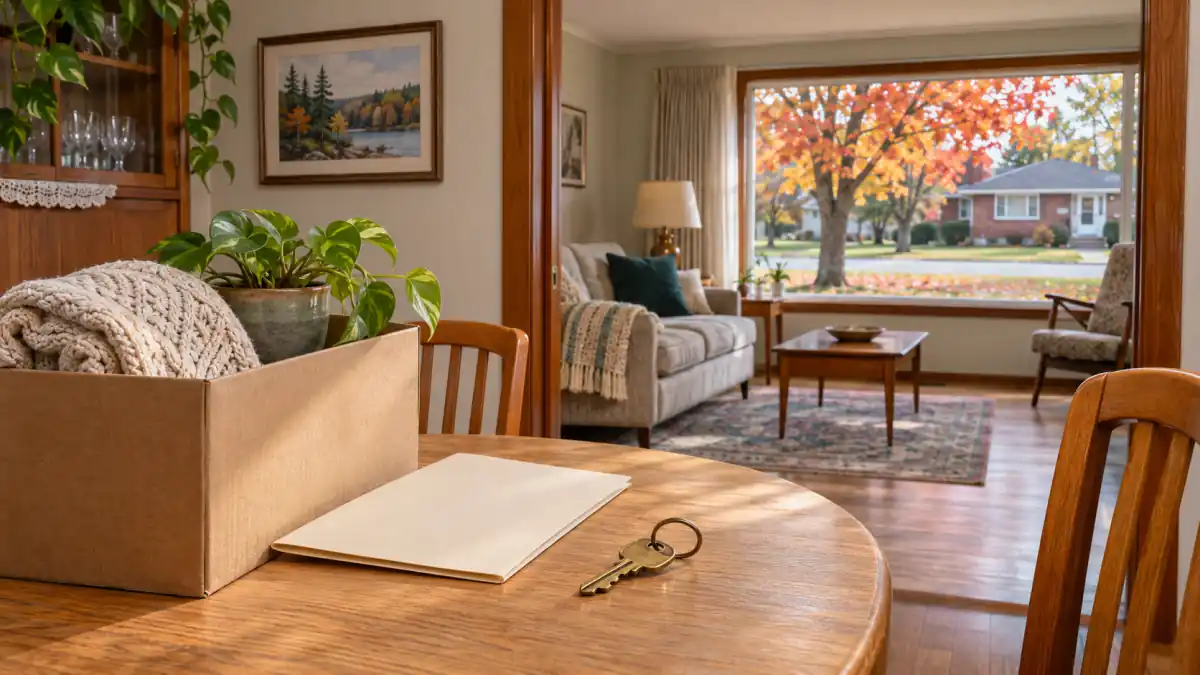
If you’re selling an inherited home in Sault Ste. Marie, deciding what to do with the house can arrive at a time when you already have more than enough to manage. There may be family belongings in every room, bills still coming in, and relatives asking when the property will be listed.
You don’t need to have all the answers before reaching out. But before we choose a price or book photos, I’d want to understand who can authorize the sale, what needs protecting, and how much work the family is comfortable taking on.
A home can hold decades of memories and still need a practical selling plan. Here are seven things I would work through with you before it goes on the market.
Rob’s take: start with the paperwork and the people
The first visit doesn’t need to end with a listing date. We can walk through the house, make a short list of priorities,
and identify what needs an answer from your lawyer or accountant. That gives everyone something concrete to
work from.
1. Selling an Inherited Home in Sault Ste. Marie Starts With Authority to Sell
Being a beneficiary doesn’t, by itself, establish that you can sign for the estate. Ask the estate lawyer to confirm the registered ownership, who has authority to act, and what documents are needed for this particular property.
Ontario’s probate guidance says that, where the deceased’s real property must be sold, a Certificate of Appointment of Estate Trustee or a Small Estate Certificate should be obtained before anyone enters into an Agreement of Purchase and Sale. Get advice before committing to a buyer or a closing date.
A surviving joint owner, a home already transferred to a beneficiary, and a property still held by the estate can involve different steps. Your lawyer should identify which situation applies. If you previously managed the owner’s affairs under a power of attorney, ask the lawyer to confirm your role now; Ontario’s estate-administration guidance distinguishes that lifetime role from administering an estate.
- Who should be named as the seller, and who must sign?
- What estate and title documents are required?
- Are there co-trustees, ownership questions or disputes to resolve?
- What can proceed now, and what needs to wait?
We can discuss preparation while the lawyer works through those questions. I wouldn’t build the sale around an assumed approval date.
2. The Date-of-Death Value and Today’s Selling Price Have Different Jobs
Ask your accountant what valuation evidence is needed and whether a qualified appraisal is appropriate. A market assessment for listing today and a valuation for estate or tax purposes may concern different dates and need different supporting information.
The CRA says most inheritances are not reported as income. That does not mean every later sale of inherited property is tax-free.
Under the CRA’s rules for property when someone dies, a deemed sale at fair market value can arise at death, subject to exceptions such as qualifying spousal transfers. A principal-residence exemption may cover some or all of the gain up to death, with reporting requirements.
A later sale by the estate or a beneficiary can create a separate reporting question. Ask your accountant who reports it, what cost base applies, and what records and expenses are relevant. Rental use, a cottage, a spousal transfer or non-resident involvement needs individual advice.
For the estate file
Ask the lawyer and accountant which
valuation date, evidence and tax records
they need.
For the listing
I’d assess current comparable sales, the
home’s condition and the alternatives buyers
can choose today.
Keep valuation reports, invoices, repair records and sale documents together. Your accountant can tell you how each item should be treated; a receipt isn’t automatically a tax deduction.
3. Speak With the Insurer Before Assuming an Empty Home Is Covered
Let the insurer or broker know about the death and the home’s occupancy as soon as possible. Ask who should be named on the policy, whether vacancy coverage is needed, and what must happen to maintain protection. Get the instructions in writing.
Intact’s explanation of vacant-home insurance notes that vacancy and temporary absence are treated differently and coverage can change. Follow the actual policy rather than relying on a general number of days.
For a home in the Sault, I’d put winter care near the top of the list:
- Heat and water: confirm the insurer’s requirements and arrange qualified help if winterization is needed.
- Property checks: assign a reliable person and keep whatever inspection record the insurer requires.
- Snow and access: arrange clearing for entrances, walkways and the driveway.
- Security: track keys, secure windows and arrange mail collection.
- Ongoing bills: check utilities, taxes, mortgage payments and any equipment rentals.
If you live out of town, name a local contact and a backup. A temperature alert or water sensor may help, but ask the insurer whether it meets any policy requirements. Don’t assume it replaces an in-person visit.
4. Give Belongings and Family Decisions Their Own Plan
Sorting a family home often takes longer than people expect. A kitchen drawer can stop the day just as easily as a room full of furniture. I’d leave space for that when planning the preparation schedule.
Before arranging donations, an estate sale or a clean out, have the estate trustee confirm with the lawyer how belongings should be handled under the will and estate obligations. Photograph rooms and keep an inventory where appropriate. Set aside documents, valuables, photographs and anything awaiting a decision.
A simple working list helps:
- Keep or distribute: items to be handled according to the estate’s instructions.
- Sell: items that may need valuation or an organized sale.
- Donate or remove: items cleared for removal by the person authorized to decide.
- Pause: anything disputed, undocumented or not yet reviewed.
For the property sale, agree on one day-to-day contact while keeping the required decision-makers involved. That contact can circulate updates, quotes and showing information. They don’t replace anyone whose legal approval or signature is required.
Make room for the things that can’t be replaced
I’d rather plan around a family’s time to sort photographs and keepsakes than book a clean out too early. Once the
personal items are safely dealt with, preparing the rooms becomes a much clearer job.
5. Choose Repairs Carefully, and Be Honest About What You Know
An inherited home does not automatically need a new kitchen before it can sell. I’d walk through it with you first and separate safety concerns, maintenance issues and cosmetic work. Then we can compare the cost and delay of each job with its likely value to buyers.
Often worth assessing first
Cleaning, safe access, working lights, basic
yard care, active leaks and obvious
maintenance concerns. Get qualified advice
where needed.
Price before committing
A full kitchen, new bathrooms, extensive
flooring or a major cosmetic overhaul. Get
quotes and consider the time involved before
approving the work.
If you’ve never lived in the house, say so. Gather the information you do have: roof and furnace invoices, water-damage records, permits, warranties and any inspection reports. Don’t guess when asked about the age or condition of a system.
RECO’s guidance on property information statements explains the different uses of these statements and what sharing one with buyers involves. Discuss known issues with your lawyer and me before listing so we can address the disclosures required for the property.
If an “as is, where is” sale is being considered, have your lawyer review the wording and disclosure obligations. I wouldn’t treat that phrase as permission to conceal a known problem or make an unsupported statement. A pre-listing inspection may help with planning, but discuss its benefits, limits and resulting information before ordering one.
My Sault Ste. Marie seller’s checklist covers the wider preparation process. For an estate sale, I’d adapt that list to the time, budget and authority you actually have.
6. Price for the Current Market and Keep an Eye on Carrying Costs
The home’s history matters to your family. A buyer will also be comparing its layout, condition, location and price with other choices. We need to give both realities proper attention.
When selling an inherited home in Sault Ste. Marie, I’d start with recent comparable sales and adjust for the differences that matter. A renovated bungalow and a similar-sized home needing substantial work shouldn’t be treated as interchangeable. An asking price down the street is useful context, but it isn’t evidence of what that property will sell for.
I’d also put the monthly cost of holding the house on paper: financing payments, insurance, taxes, utilities, snow or lawn care, security and property checks. Keep that cash-flow budget separate from your accountant’s tax calculations.
A carrying-cost example — invented numbers only
If the property costs $1,500 a month to hold, another three months means $4,500 in cash outflow before
additional repairs or selling costs. That isn’t a Sault average or a reason to accept an unsuitable offer. It
is a cost to include when comparing timelines.
Ask for an estimated net-proceeds worksheet too. Sale price, mortgage payout, any lender charges, real estate fees and applicable HST, legal costs, adjustments and preparation expenses belong in the conversation. Your lawyer and accountant should identify estate debts and any tax reserve separately.
You can request a current home-value discussion as a starting point for the listing plan. Tell me if a retrospective valuation is also needed so we can clarify its purpose.
7. Plan Beyond Listing Day: Offers, Closing and the Estate’s Next Steps
Choose a listing date after the legal position, preparation work and access arrangements are clear. Then discuss a closing window with the lawyer before promising one to a buyer. Court processing, title work and family logistics don’t all follow the same schedule.
If someone is living in the home, raise that immediately. For a tenanted property, don’t assume a sale means the occupant must leave. The Landlord and Tenant Board’s guide to ending a tenancy sets out specific grounds and processes. Obtain advice before promising vacant possession.
When offers arrive, I’d compare the price alongside conditions, deposit, closing date, included items and what the estate is being asked to promise. The largest number deserves attention, but so does whether the agreement can be completed on its terms.
Finally, closing the house sale and distributing the estate are separate steps. The CRA explains that a clearance certificate protects a legal representative against personal liability for certain unpaid taxes when distributing assets. Have the lawyer and accountant advise on outstanding obligations, reserves and clearance before paying proceeds out to beneficiaries.
I’d rather set that expectation early than have family members counting on a cheque the day the buyer gets the keys.
Before You List: My Inherited-Home Checklist
- Legal authority – Seller, signatories, estate certificate and title reviewed with the lawyer.
- Insurance and upkeep – Written coverage instructions, a local contact and a maintenance plan.
- Preparation and pricing – Repair choices, required disclosures, comparable sales and carrying costs.
- Valuation and tax file – Required dates, supporting evidence and accountant’s questions identified.
- Belongings and records – Authorized sorting plan, secured valuables and useful property documents.
- Sale and estate timeline – Occupancy, access, closing requirements and distribution advice considered.
How I Can Help With the Sale
You can bring me the practical questions even if the family hasn’t settled on a listing date. What should be done before photos? Is the old flooring worth replacing? How will showings work if you live several hours away?
I can help you assess the home’s market position, prioritize preparation, plan access and compare offers. Your lawyer handles legal authority and the estate’s obligations; your accountant advises on the tax side. Keeping those conversations connected helps us build a workable plan.
Have Thinking About Selling an Inherited Home in Sault Ste. Marie? About the
SSM Market? Let’s Talk.
Tell me where things stand. We can start with a walk-through and a manageable list of next steps.
Rob Trembinski | EXIT Realty True North
rob@sellingthesault.com
705-257-9648
Frequently Asked Questions
Get your estate lawyer’s advice before signing. Ontario’s probate guidance says the relevant estate certificate should be obtained before entering a purchase agreement where the deceased’s real property must be sold. Ownership and the estate’s circumstances need review.
Your lawyer should confirm the seller and required signatories. Beneficiary status alone does not answer who can sign. Estate trustees, registered ownership and any applicable restrictions need to be considered.
Possibly. Most inheritances aren’t income, but a property sale can have tax consequences. Ask an accountant about the deceased’s final return, any estate return and the beneficiary’s position. Don’t assume the entire sale is tax-free.
Not necessarily. Start with a walk-through, a budget and an assessment of likely buyers. Cleaning and targeted work may be sensible; a major renovation needs its own cost and timing review. There is no guaranteed return on the money spent.
Discuss that approach with your lawyer and agent. The agreement needs suitable wording, and known issues and disclosure obligations still need attention. Be clear about what you know and what you cannot verify.
Start by naming an authorized day-to-day contact and arranging local property care. We can discuss preparation, access and showing updates. Your lawyer can confirm signing arrangements and any extra requirements if a seller or beneficiary is outside Canada.
There isn’t one reliable timeline for every estate. Legal documents, title, occupancy, belongings, preparation and the market all affect the schedule. Separate the time to get ready, the marketing period, closing and the later estate work.
Don’t assume so. The estate may still have debts, costs and tax matters to resolve. Ask the lawyer and accountant about reserves and CRA clearance before distributing assets. Closing the sale doesn’t finish the estate administration.
Ready to Take the Next Step?
- Plan the sale: See how I help Sault home sellers
- Get organized: Read the seller’s checklist
- Talk through the house: Contact Rob


Join The Discussion