

 by
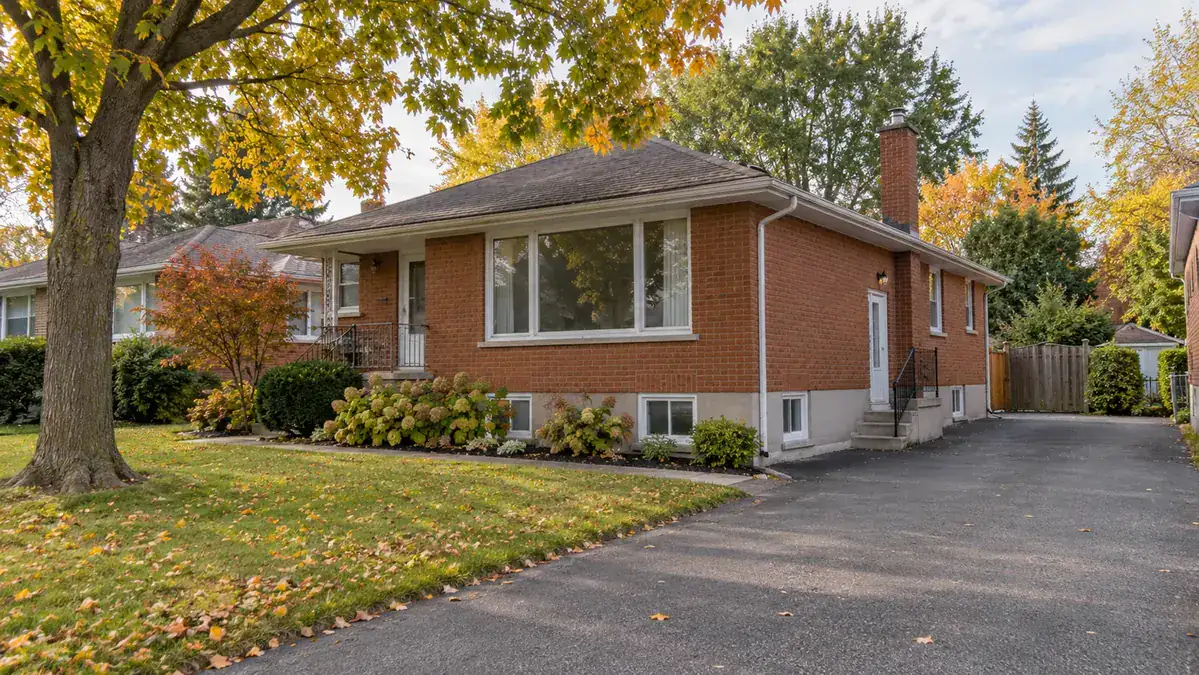
Buying a home with a basement apartment in Sault Ste. Marie can be appealing. You get a place to live, with the possibility of rent helping with the bills. Or perhaps you want a separate space for a parent, an adult child, or family who visit for longer stretches.
But I would want to look past the second kitchen before calling it a good fit. Is the apartment approved? Is someone already living there? Can you afford the house if the unit sits empty or needs work?
A listing that says “in-law suite” or “income potential” starts a conversation. It does not answer those questions. Here are the seven checks I would work through with you before you commit.
Rob’s take: buy the house on facts you can verify
The apartment should make your plan stronger. If the purchase only works with immediate rent, no repairs,
and a tenant who leaves exactly when you need them to, we need to revisit the plan before making an offer.
1. Confirm What the City Has Approved
I would start by asking what the basement is actually approved to be. A finished basement, a family guest area, and a self-contained dwelling are different things. A stove, separate entrance, or years of rental history does not settle the question.
Ask the seller for the records, then have the property-specific details checked with the City’s Planning and Building staff. The City’s Additional Dwelling Unit guidance explains that zoning, site conditions, servicing, permits, and inspections all form part of the process.
- What use and number of dwelling units are permitted at this address?
- Are there permits and approved plans for the conversion?
- Were the required inspections completed, and what record confirms occupancy approval?
- Does the current layout match the approved work?
- Are there open permits, outstanding orders, or later alterations to investigate?
- Do parking and servicing arrangements comply with the rules for this property?
If the documents are incomplete, I would want the uncertainty resolved before treating the space as an approved rental unit. If upgrades are needed, get qualified advice on feasibility and a written estimate. Do not let “easy to legalize” become an unpriced part of your purchase.
Keep the label separate from the evidence
“In-law suite,” “mortgage helper,” and “non-conforming” deserve follow-up questions. Ask what the description
means for this particular property and which records support it.
2. Check Fire Safety and the Way Out
During a showing, a basement can look bright and comfortable while still leaving important safety questions unanswered. I would want a qualified professional to review the apartment as a dwelling, including the route out in an emergency.
Ask about fire separation between the units, doors and openings, smoke and carbon monoxide alarms, exit arrangements, bedroom windows where applicable, ceiling clearances, and electrical work. Requirements depend on the building and the applicable approval path. A quick measurement or a photograph is not enough to confirm compliance.
Ontario’s guide to adding a second unit is a useful introduction to these building considerations. It flags that some planning information may not reflect newer changes, so use the City for the current rules at the address you are considering.
Ask the inspector what falls outside a standard home inspection and who should check it. Municipal staff, a qualified designer, fire officials, and an electrician may each have a role. A home inspection and a review of municipal approvals answer different questions; I would want both covered.
3. Look Closely at Moisture, Drainage, and the Shared Systems
A new kitchen is easy to notice. Water marks behind stored boxes are easier to miss. Before getting attached to the finishes, I would want a proper look at the foundation, the drainage, and the equipment serving both floors.
In the Sault, think about the property in winter and during the spring thaw, even if you are viewing it on a dry afternoon. Where will melting snow go? Does the side stairwell collect runoff? Where can snow be stored without blocking the entrance or windows?
- Water history: ask about seepage, sewer backup, insurance claims, repairs, and available invoices or warranties.
- Visible clues: investigate musty smells, staining, damaged trim, fresh patching, or flooring that seems to hide a problem.
- Outside drainage: review grading, downspouts, window wells, and any below-grade entrance.
- Equipment: ask the inspector about the sump system, backwater protection where relevant, plumbing, electrical capacity, heat, and ventilation.
- Access: can equipment be serviced without an awkward route through someone’s living space?
One furnace or water heater may serve the entire house. That makes the condition of that equipment relevant to both households. If repairs are recommended, get the scope and likely cost before deciding what the property is worth to you.
Ask what the renovation did not cover
“Basement renovated” can describe flooring and cupboards. I would still ask when the drains, wiring,
foundation, and heating equipment were last assessed, and what documentation is available.
4. Understand the Tenancy You May Be Taking Over
If someone lives downstairs, the apartment is also their home. Before offering, have your lawyer review the tenancy and explain what you would take on as the buyer.
Ask for the lease and any amendments, the current lawful rent, what is included, rent-payment records, deposit information, rent-increase notices, and details of any disputes or outstanding applications. Make sure the utility and parking arrangements described in the listing match the tenancy documents.
An expired fixed-term lease does not automatically mean a tenant has to leave. The Landlord and Tenant Board’s guide explains how a tenancy can continue after the term ends. Buying the property also does not give you a free hand to replace an existing rent with the rent you hoped to charge.
If you need the apartment for yourself or family, get legal advice before relying on vacant possession. The LTB’s personal-use guidance sets out specific requirements. A notice is not an eviction order, and a promised moving date needs careful review.
If your move depends on the unit being empty
Tell me and your lawyer at the beginning. We need to understand the lawful process, timing, and contract
protections before you commit to a closing date.
5. Confirm How the Basement Apartment Affects Your Financing
When buying a home with a basement apartment in Sault Ste. Marie, I would bring the property details to your lender early. A general pre-approval does not settle how the lender will assess this house or its rental income.
CMHC publishes different rental-income qualification approaches. That does not mean every lender will count every dollar of advertised rent for your application. Ask what applies to your mortgage, your intended occupancy, and the property’s documented status.
- Will the lender recognize the apartment and the proposed use?
- What lease, appraisal, market-rent assessment, or approval records will it require?
- How much rental income, if any, will it use for qualification?
- Does the financing depend on repairs or other outstanding conditions?
- What changes if the unit is vacant, occupied at a lower rent, or unavailable to rent?
I would also ask you a household-budget question: how would you manage the mortgage and bills for a few months without rent? Qualifying for the loan and feeling comfortable with the payment are two separate decisions.
6. Check Insurance, Utilities, and How Two Households Will Use the Home
Before making your offer firm, give an insurer an accurate description of the home, the apartment, the current occupancy, and your intended use. Ask for a quote and confirmation of the coverage and any work or documentation required. Do not build the budget around the seller’s old premium.
Then walk through an ordinary week in the house. Two households can share a property comfortably, but the practical details matter:
- Utilities: which services are separately metered, who currently pays, and what do the bills show across a full year?
- Laundry and storage: what is private, what is shared, and what has been promised to an existing tenant?
- Sound and privacy: can you hear normal movement and conversation between floors?
- Parking: is there usable space when snowbanks reduce the driveway?
- Entrances: who clears the steps, and can people reach the door safely with groceries?
- Maintenance: who responds when the drain backs up or the heat stops working?
For utility charges and maintenance responsibilities, have the proposed arrangements checked against the tenancy rules. An informal agreement or a convenient split is not a substitute for a lawful arrangement.
The neighbourhood still needs to work for you, too. My Sault Ste. Marie neighbourhood guide can help you compare locations alongside your commute, services, and everyday needs.
7. Run a Conservative Budget and Put the Checks Into Your Offer
I would separate what the apartment might earn from what you can reasonably expect to keep. Start with the existing lawful rent if the unit is occupied. If it is vacant, compare suitable rentals and get advice on a realistic range instead of using the highest asking rent you find.
Allow for owner-paid utilities, insurance, maintenance, vacancy, unpaid rent, and larger repairs. Budget for any work needed before occupancy as well. Ask your accountant how rental income, expense allocation, and any future change in use affect your tax situation; the CRA’s rental-income guide is a starting resource.
A simple budget exercise
Illustration only — not a Sault rent estimate. Suppose rent is $1,400 a month. Set aside $140 for vacancy or
unpaid rent and $140 for maintenance, and allow $200 for owner-paid utilities plus $80 in additional insurance
costs. That leaves $840 before mortgage payments, property taxes, major replacements, management, and
income tax.
The actual allowances may need to be higher. Replace every figure with property-specific numbers, then run
a second version with no rent coming in.
Once we understand the property, we can discuss an offer that gives you time for the checks you need. Financing, inspection, document review, and municipal or tenancy inquiries may require specific conditions and deadlines. Have your lawyer review any wording dealing with approvals, tenants, or vacant possession.
I would want estimates and answers before you remove the relevant conditions. A verbal reassurance that something will be sorted out later gives you very little to plan around.
Buying a Home with a Basement Apartment in Sault Ste. Marie: Your Before-Offer Checklist
Before you decide what to offer, gather these items or identify how they will be verified during the conditional period:
- Property-specific zoning confirmation, conversion permits, approved plans, and inspection or occupancy records.
- An inspection plan covering the whole house, with specialists for unresolved safety or building questions.
- Available water-entry history, repair records, and estimates for recommended work.
- The lease, lawful rent, deposits, payment history, and tenancy issues for your lawyer to review.
- Lender confirmation of the property requirements and treatment of rental income.
- An insurance quote and a clear picture of utilities, parking, and shared spaces.
- A budget that includes repairs and a period without rent, plus suitable offer conditions.
If the apartment’s status or income is still uncertain, that uncertainty belongs in the purchase decision. We can compare the home with other options instead of assuming every question will have an inexpensive answer.
How I Can Help You Look Beyond the Second Kitchen
Tell me what you need the extra space to do. Helping with ownership costs, housing a parent, and buying a rental property are different plans, even when the listings look similar.
I can help you compare homes, request the available records, identify the questions to put to the City and your advisers, and negotiate with those findings in mind. The goal is a house you understand well enough to buy with a workable plan.
Considering a Home with a Basement Apartment?
Send me the listing and tell me how you want to use the space. We can work through the questions
before you feel rushed into an offer.
Rob Trembinski | EXIT Realty True North
rob@sellingthesault.com
705-257-9648
Frequently Asked Questions
Request the conversion records and have the address checked with City Planning and Building staff. Review permitted use, permits, approved plans, inspections, occupancy records, and outstanding issues. A separate entrance, second kitchen, or rental history does not establish approval.
No. The description alone does not establish that a self-contained rental dwelling is permitted or approved. Confirm the property’s status and any work or approvals required before budgeting for rent.
It may, depending on the lender, mortgage program, property, and supporting documents. Ask your lender how much income it will recognize and what it needs to verify. Do not assume the full advertised rent will count.
The sale alone does not require the tenant to move out. If you need the unit for personal or family use, ask your lawyer about the lawful grounds, process, timing, and purchase terms before relying on vacant possession.
Do not assume you can reset an existing tenant’s rent because ownership changes. Have your lawyer review the lawful rent and the rules that apply to that tenancy. Use verified income in your purchase budget.
No. A home inspection reviews condition within its agreed scope. Municipal records and qualified advice are also needed to address permitted use, conversion approvals, and any outstanding compliance questions.
Consider snow storage, drainage, lighting, steps, handrails, and the route to parking. Ask how the entrance and any required escape routes will be kept accessible. Confirm maintenance responsibilities with appropriate legal advice.
Decide how you intend to use the space, then verify its documented status and discuss the property with your lender. If it is occupied, bring the tenancy documents to your lawyer before building a plan around rent or a move-in date.
Ready to Take the Next Step?
- Browse homes for sale in Sault Ste. Marie.
- Compare Sault Ste. Marie neighbourhoods.
- Contact Rob about a property you are considering.
Disclaimer: This article provides general information, not legal, building-code, mortgage, insurance, or tax advice. Requirements depend on the property and circumstances. Confirm details with City staff and qualified advisers before committing.


Join The Discussion