

 by
by 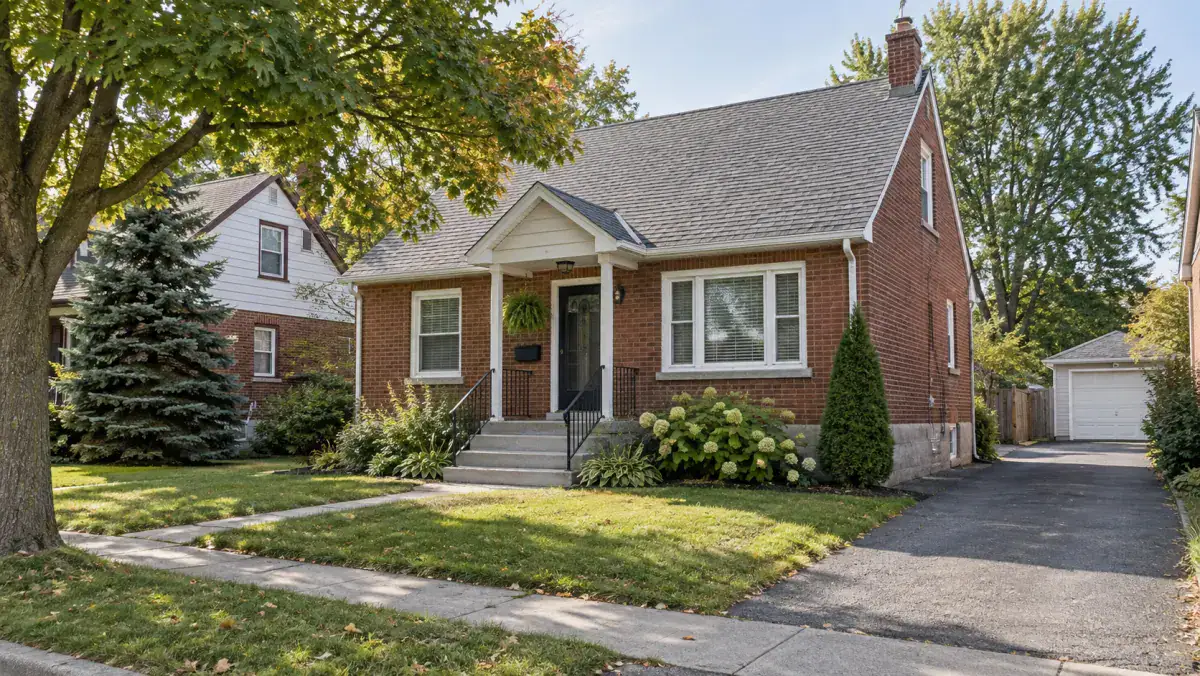
If you are buying an older home in Sault Ste. Marie, the first thing to know is that these houses are a big part of our market. You see them in central neighborhoods, mature East End pockets, Hill Top streets, downtown areas, and long-established family neighborhoods all across the city. Some have beautiful wood trim, solid layouts, mature trees, deep lots, and the kind of character you do not always find in newer construction.
I like older homes. A good one can be a fantastic buy. But when you are buying an older home in Sault Ste. Marie, you want to know what you are buying before you make the offer firm.
Why Buying an Older Home in Sault Ste. Marie Needs a Different Walk through
A newer home can still have problems, but older homes usually tell a longer story. They may have been renovated in stages by different owners, under different codes, with different budgets.
When I am walking through an older property with a buyer, I am not just looking at the kitchen and the paint. I am looking at how the house has been maintained, how water moves around it, what the basement is telling us, and whether the big-ticket items line up with the price.
Rob’s Local Note
A beautiful older home can still be the right home. I just do not want you paying move-in-ready money
for a house that quietly needs roof, wiring, foundation, and insurance work right after closing.
Start Outside: Roof, Drainage, Foundation, and Lot
Before you even get too excited about the inside, take a few minutes outside. Older homes in Sault Ste. Marie have been through a lot of freeze-thaw cycles, heavy rain, snow load, and spring runoff. Water management matters here.
Look at the roof age, shingles, flashing, eaves troughs, downspouts, grading, driveway slope, basement windows, and where water is being pushed away from the house.
Basement and Moisture: Do Not Skip the Lower Level
In an older Sault home, the basement often tells the truth faster than the main floor. Fresh paint upstairs is easy. A dry, well-maintained basement is harder to fake.
Watch for musty smell, staining, efflorescence on block or concrete, soft wood, active seepage, old water marks, sump pump setup, floor drains, window wells, and whether finished basement walls limit what the inspector can see.
Electrical, Plumbing, Heating, and Insurance
- Electrical: Confirm panel size, wiring type, grounded outlets, visible DIY work, and whether a licensed electrical contractor should review anything before conditions are removed.
- Plumbing: Check supply lines, drains, water pressure, water heater age, and whether a sewer scope makes sense.
- Heating: Look at furnace or boiler age, fuel type, service history, chimney condition, and monthly cost expectations.
- Insurance: Call before removing conditions, especially if the home has older wiring, wood heat, oil heat, an older roof, or unusual systems.
Hazardous Materials and Renovation Planning
Older homes can contain materials that are common for their era but need care before renovation. That can include asbestos-containing materials, lead-based paint, vermiculite insulation, and other materials that should be tested or handled professionally.
External link placements: Health Canada asbestos guidance, Health Canada lead-based paint, and Health Canada radon guidance.
Buyer Watch-Out
If you plan to renovate right after closing, do not assume old materials can be disturbed safely. Test first,
budget properly, and confirm whether permits are needed.
My Older Home Showing Checklist
- Roof: age, flashing, eaves troughs, and visible wear.
- Drainage: grading, downspouts, driveway slope, and foundation water.
- Basement: smell, staining, sump setup, and old water marks.
- Electrical: panel, wiring type, grounded outlets, and insurance concerns.
- Plumbing: water pressure, drains, water heater, and sewer-line questions.
- Permits: additions, basement work, decks, HVAC, windows, and roofing.
Should You Still Buy an Older Home?
Yes, if the home fits your life and the numbers make sense. Some of the best homes in Sault Ste. Marie are older homes. They can have stronger locations, better lots, mature trees, solid bones, and a feel that newer houses do not always have.
The key is not to fall in love with the character and ignore the systems. If the roof, wiring, basement, plumbing, heating, and insurance all check out, or if the price properly reflects the work needed, an older home can be a very smart purchase.
Thinking About an Older Home in Sault Ste. Marie?
Rob Trembinski | EXIT Realty True North
rob@sellingthesault.com
705-257-9648
Frequently Asked Questions: Buying an Older Home in Sault Ste. Marie
It can be a very good idea if the home has been maintained well, the price reflects its condition, and you understand the major systems before removing conditions. Older homes can offer character, mature lots, and strong locations, but buyers should check roof, electrical, plumbing, heating, basement, permits, and insurance carefully.
Start with a professional home inspection, then consider specialist reviews if the home raises concerns. Electrical, plumbing, sewer line, foundation, moisture, roof, heating, wood stove, asbestos, radon, and insurance questions may all matter depending on the property.
You should take it seriously and get proper advice. Some older Ontario homes may still have knob-and-tube wiring or partial older wiring. The Electrical Safety Authority recommends a licensed electrical contractor assessment when knob-and-tube is present, and insurance can be harder to arrange.
Some do, especially if grading, drainage, downspouts, sump systems, or foundation maintenance have been neglected. A dry basement is a major plus in an older home, but buyers should still look for stains, smells, efflorescence, patching, and signs of past water entry.
Yes. Older homes are often renovated over time, and major work may have required permits. Ask about additions, basement finishing, bathrooms, decks, windows, HVAC, fireplaces, roofing, and structural changes. Permit history can help you understand whether work was reviewed properly.
It can be, depending on the home’s age, roof, wiring, plumbing, heating, oil tanks, wood heat, past claims, and overall condition. Buyers should confirm insurance before removing conditions, especially if the home has older electrical or heating systems.
Ready to Take the Next Step?
- Buyer Guide: Read the first-time buyer guide
- Current Listings: Browse homes for sale in Sault Ste. Marie
- Market Context: Understand the 2026 Sault market update
- Ask Rob: Talk through your buying options


Join The Discussion