

 by
by 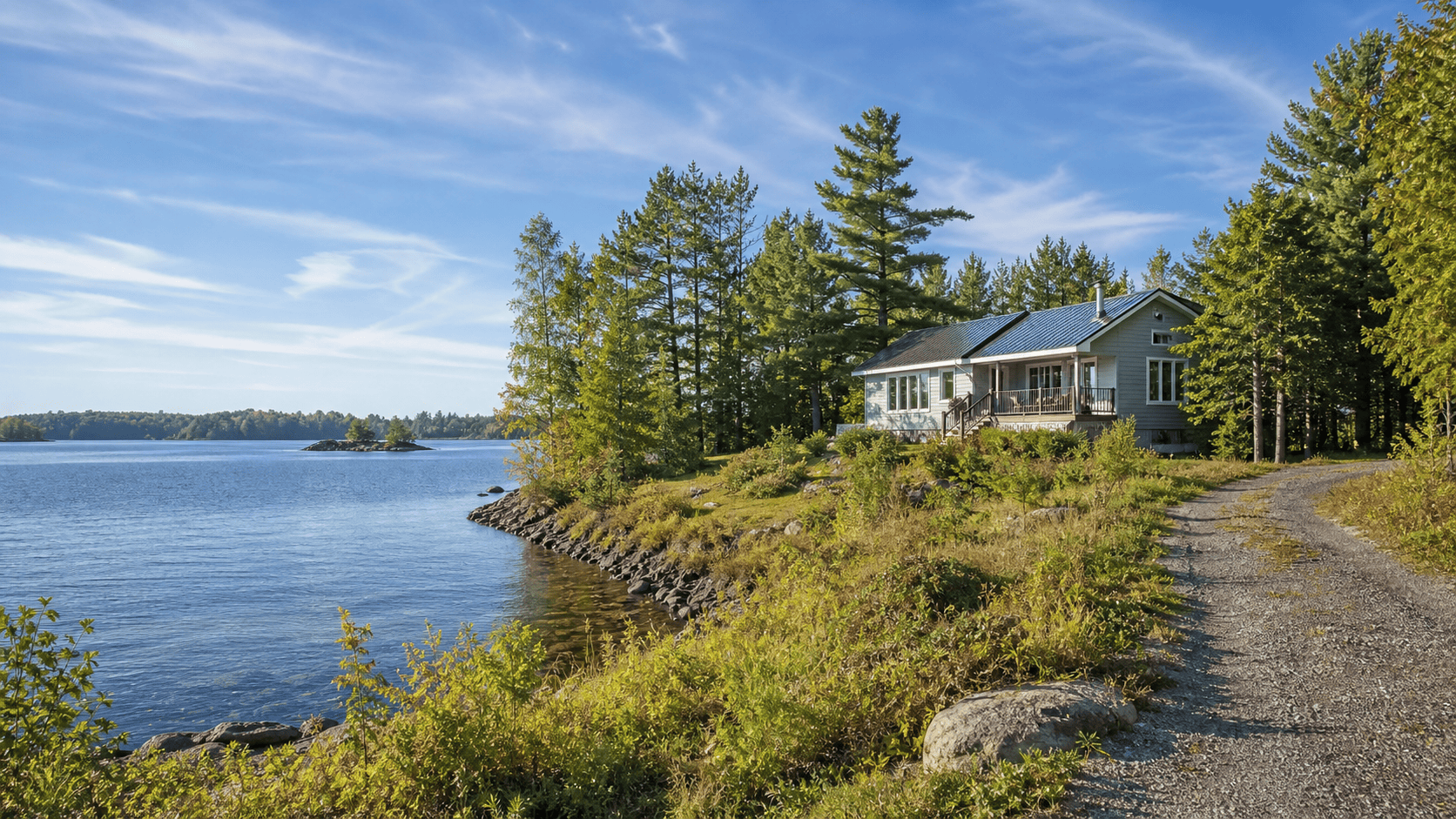
If you are buying waterfront or rural property near Sault Ste. Marie in 2026, there is a lot to like: space, privacy, trees, water, and a completely different pace of life without being hours away from the city. For the right buyer, that is a pretty special combination.
I was born and raised in Sault Ste. Marie, and as a local REALTOR® I have seen how different one property can be from the next once you get outside the standard in-town search. A home near the water, a rural acreage, or a camp just outside the city can be a fantastic move, but only when the buyer understands what comes with it.
But buying rural or waterfront property is not the same as buying a house in town. The listing photos may show the lake, the dock, the garage, or the view from the deck. My job is to help you look past the pretty parts and understand the practical ones too: access, wells, septic, shoreline rules, insurance, internet, winter maintenance, and resale.
If you are still comparing areas inside the city, start with my neighbourhood guide first. If you already know you want space, water, or a quieter setting, this guide is for you.
Why Waterfront and Rural Properties Need a Different Buying Process
In town, most buyers are focused on the house: the roof, windows, furnace, layout, foundation, and price. Those things still matter on a rural property, but they are only part of the story.
When buying waterfront or rural property near Sault Ste. Marie, you are also buying the systems and the setting. That means the driveway, road access, water source, septic system, shoreline, drainage, outbuildings, heating fuel, internet options, and sometimes even the cost of maintaining land you are not used to maintaining.
This is where local context matters. A property that looks simple online may come with private road fees, a seasonal access issue, a shoreline setback, a septic system that needs attention, or a well that should be tested before you firm up the deal.
Rob’s Local Note
When I walk a rural or waterfront property with a buyer, I am not just looking at the view. I am looking at how
someone is actually going to live there in February, maintain it in July, and sell it one day when life changes.
Start With the Lifestyle You Actually Want
Before you fall in love with a waterfront photo, get clear on what kind of property you are really trying to buy.
Some buyers want a year-round home with privacy but normal daily convenience. Some want acreage, a shop, and room for equipment. Some want a cottage or camp that is mostly for weekends. Others want waterfront but still need to be close to schools, work, healthcare, and groceries.
Those are different searches. The right property for one buyer can be the wrong property for another.
A good first question is: do you want rural living, waterfront recreation, or both? Waterfront often adds cost and regulation. Acreage adds maintenance. Seasonal properties may limit financing and use. A year-round rural home may be easier to live in, but you still need to understand the systems.
Access and Roads Matter More Than Buyers Expect
One of the first things I want buyers to confirm is access. Is the road municipally maintained, privately maintained, seasonal, shared, or unassumed? Who plows it? Who pays for grading? Is there a written road agreement? Can emergency vehicles reach the property year-round?
Around the Sault and Algoma, this can matter a lot. A property can feel close on a map but behave very differently depending on road type, winter plowing, hills, distance from services, and whether the final stretch is maintained privately.
If you need a mortgage, year-round access can also matter to the lender and insurer. If you plan to live there full time, it matters to your day-to-day life.
Wells: Test the Water Before You Fall in Love With the View
Many rural properties are not on municipal water. That is not automatically a problem, but it does mean you should understand the well.
Ask what type of well it is, where it is located, when it was installed, how much water it produces, whether there are treatment systems, and whether the seller has recent water test results. A clean, recent test is helpful, but I still like buyers to think carefully about testing during the condition period.
Public Health Ontario provides information on private drinking water testing in Ontario.
For a waterfront property, also pay attention to where the well sits in relation to the septic system, shoreline, low areas, and neighboring properties. Location and drainage matter.
Septic Systems: Age, Capacity, and Replacement Space
A septic system is one of the biggest differences between buying in town and buying outside serviced areas. A septic system can work well for decades when properly designed and maintained, but it is not something to ignore.
Before buying, ask about the system age, tank size, bed location, service history, permits, and whether the system matches the number of bedrooms and intended use. If the property has been expanded over time, make sure the septic system still makes sense for the home.
Algoma Public Health has local information related to private sewage systems and permits.
Buyer Watch-Out
On smaller waterfront lots, replacement space can be just as important as the current septic condition. If the
system fails later, you need to know whether the lot can support a proper replacement.
Shoreline, Floodplain, and Conservation Rules
Waterfront property comes with extra beauty and extra responsibility. Before planning docks, additions, shoreline work, garages, boathouses, or major landscaping, buyers should understand what approvals may be required.
Depending on the property, you may need to consider zoning, setbacks, conservation authority rules, floodplain mapping, environmental restrictions, and municipal permits. This is not the part to guess on.
For properties in the local conservation authority area, buyers can review permit and mapping resources from the Sault Ste. Marie Region Conservation Authority.
City zoning is also worth checking for properties within Sault Ste. Marie.
The key point is simple: do not assume you can change a waterfront property just because there is room on the lot. Confirm before you buy.
Financing and Insurance Can Be Different
Rural, waterfront, seasonal, and unique properties can sometimes require a little more preparation with lenders and insurers. Some properties are straightforward. Others raise questions about access, heat source, water source, septic, outbuildings, acreage, rental use, or seasonal occupancy.
If you are buying with financing, talk to your lender early and tell them exactly what type of property you are considering. A year-round rural home, an island property, a seasonal camp, and a large acreage parcel may not be treated the same way.
Insurance should be checked early too. Wood heat, older electrical, oil tanks, outbuildings, waterfront exposure, private roads, and distance from fire services can all affect coverage and cost.
Internet, Utilities, and Everyday Services
Rural living is not only about the home. It is about the daily routine.
Before making an offer firm, check internet options, cell service, garbage pickup or transfer station access, school bus routes if needed, propane or oil delivery, hydro costs, driveway maintenance, and emergency service access. If you work from home, do not rely on a listing description alone. Confirm what is available at that exact address.
It is also smart to visit at different times if possible. A peaceful property in August may feel different during spring thaw, after heavy rain, or during a winter commute.
Local Areas Buyers Often Compare
Buyers looking near Sault Ste. Marie often compare a mix of in-city, rural, and surrounding community options. Depending on budget and lifestyle, that may include areas like Prince Township, Goulais River, Heyden, Searchmont, Echo Bay, Desbarats, St. Joseph Island, and other Algoma communities.
Each area has its own tradeoffs. Some are closer to the city. Some offer more land. Some have stronger cottage or waterfront appeal. Some are better suited for year-round commuting. Some may involve different municipal services, road conditions, school zones, or property tax considerations.
If you are still early in the search, my Sault market guide can help you understand the bigger picture before narrowing into rural or waterfront properties.
My 2026 Due Diligence Checklist
Here is the short version of what I would want you to check before buying:
- Road access: municipal, private, seasonal, shared, plowed, or unassumed?
- Water source: drilled well, dug well, lake intake, cistern, or municipal service?
- Water quality: recent test results and any treatment systems?
- Septic: age, size, location, service history, permits, and replacement space?
- Shoreline: setbacks, floodplain, erosion, docks, and permit requirements?
- Heating: propane, oil, wood, electric, heat pump, or combination?
- Insurance: private road, wood heat, oil tank, outbuildings, waterfront, and distance from fire service?
- Internet and cell service: confirmed for the exact address?
- Survey and boundaries: shoreline, road, easements, encroachments, and outbuildings?
- Intended use: year-round home, cottage, rental, retirement property, or future build?
How I Help Buyers Avoid Expensive Surprises
My role is to help you slow the process down in the right places. Waterfront and rural properties can be emotional purchases. I understand that. You walk onto the land, see the lake, imagine the mornings, and it is easy to start picturing your life there.
But the best rural purchase is not just the one that looks good. It is the one that still makes sense after we check the systems, access, title details, zoning, servicing, and resale considerations.
If you are new to buying in Ontario or this is your first home, you may also want to read my first-time buyer guide.
And if you already own a home and need to sell before buying rural or waterfront, this seller checklist will help you plan the timing.
Ready to Look at Rural or Waterfront Homes Near Sault Ste. Marie?
If you are thinking about buying a waterfront home, rural acreage, cottage, camp, or year-round property near Sault Ste. Marie, I would be happy to help you compare options and avoid the common mistakes.
Start by browsing current listings, then reach out when you want a local second opinion on a specific property.
Frequently Asked Questions
It can be, as long as the property fits your lifestyle, budget, and long-term plans. Waterfront can offer strong lifestyle value and limited supply, but buyers need to understand access, shoreline rules, septic, wells, insurance, maintenance, and resale before making a firm offer.
At minimum, most buyers should consider a home inspection, water test, septic review, and insurance review. Depending on the property, you may also want a well flow test, wood stove inspection, survey review, shoreline or drainage review, and confirmation of permits for additions or outbuildings.
Ask for permits, age, tank size, service records, and the location of the tank and bed. A septic inspection or review by a qualified professional can help you understand condition and risk. Also look at whether there is enough suitable space for replacement if the system fails later.
Maybe, but do not assume. Waterfront properties can be affected by zoning, setbacks, conservation authority rules, floodplain mapping, environmental considerations, and municipal permits. Confirm the rules before you buy if future building or shoreline work is part of your plan.
Some are straightforward, and some require extra lender review. Financing can depend on access, property type, water source, septic, heat source, acreage, seasonal use, and condition. Talk to your lender early and be specific about the type of property you want to buy.
It depends on your lifestyle. Buyers often compare areas such as Prince Township, Goulais River, Heyden, Searchmont, Echo Bay, Desbarats, St. Joseph Island, and other Algoma communities. The right choice depends on commute, road access, budget, services, and whether you want year-round living or seasonal use.
Be careful. A seasonal property may not have year-round road access, winterized systems, reliable heat, financing options, or insurance coverage for full-time living. If your goal is year-round use, confirm that the property can realistically support that before you buy.
Early. The best time is before you are attached to a specific property. A local REALTOR® can help you compare areas, flag due-diligence questions, and structure an offer with the right conditions for the property type.
Have a Rural or Waterfront Property in Mind? Ask Rob
Send Rob the address or listing link and get a local second opinion before you move forward.
rob@sellingthesault.com
+1 (705) 257 9648
Ready to take the next step? Browse current homes for sale in Sault Ste. Marie, then reach out when you want help comparing rural, waterfront, cottage, or acreage options.
Ready to Take the Next Step?
- 🏠 Search Listings: Browse homes for sale in Sault Ste. Marie
- 📊 Market Context: Understand the 2026 market update
- 🔑 Buyer’s Guide: Essential tips for first-time buyers
- 📍 Local Insight: Contact Rob for a neighbourhood consultation
Disclaimer: This post is for informational purposes only and does not constitute legal or financial advice. Please consult with a qualified professional regarding your specific situation.
2026 Housing Market Algoma District Buyer Budget Buyers Cost of Living Downsizing East End First-Time Buyers Hill Top Home Buyers Home Inspections Home Prices Home Sellers Home Valuation Listing Preparation Market Update Mortgage Pre-Approval Neighbourhoods Pricing Strategy Relocating to Sault Ste. Marie Rural Property Sault Ste. Marie Real Estate Sellers Selling Checklist Southern Ontario Buyers Waterfront Property


Join The Discussion