

 by
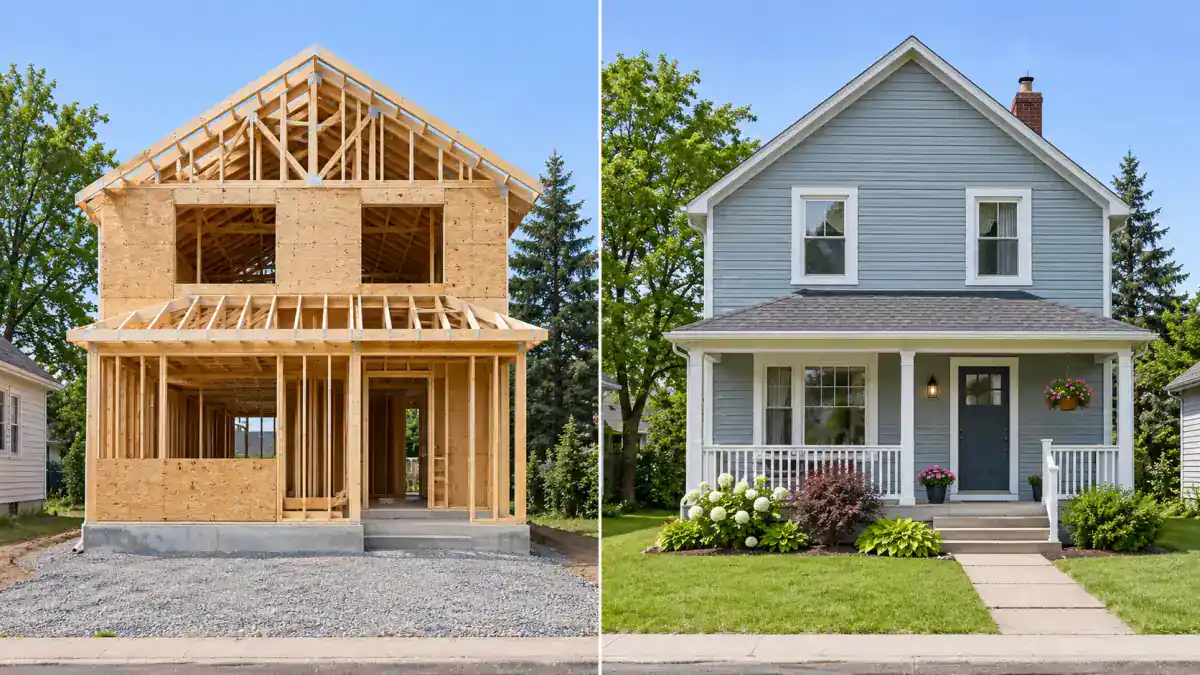
If you’re weighing a new build or resale in Sault Ste. Marie, I’d start with what you need the home to do for you. Do you want fewer projects? A particular street? Room for family visits? Or a move that can happen before your current lease ends?
A new kitchen is easy to like. So is a mature backyard with room to spread out. But neither tells you what the purchase will cost once the extras are added, or what your first winter in the house will involve.
I’d put the two options beside each other and work through the same questions. Here are the seven comparisons I’d make before choosing.
Rob’s take: compare two actual homes
“New” and “resale” cover a lot of ground. A finished new bungalow is a different purchase from a house that hasn’t been
built yet. An older home with documented updates is a different proposition from one needing major work. Let’s compare
what you would actually be buying.
1. New Build or Resale in Sault Ste. Marie: Compare the Full Price
Start with the cost of getting each home to a condition you can comfortably live in. A builder’s advertised starting price and a resale asking price may include very different things.
For a new build, get the specification sheet and a written list of inclusions. If you toured a model home, ask which finishes are upgrades. Then check the items that don’t always get much attention during a tour:
- Appliances, air conditioning and window coverings.
- Driveway surfacing, sod, fencing, decks and exterior steps.
- Basement finishing, bathroom rough-ins and storage.
- Lot premiums, upgrade charges and any adjustments payable at closing.
- What is included in the garage, including the door opener.
Some builders include many of these. Others price them separately. The agreement and schedules need to tell us which arrangement you’re considering, including who finishes seasonal work and when.
For a resale, separate the work you need immediately from the work you would simply like to do. A worn counter top can wait if the budget needs to go toward a roof. Ask for records of major improvements and get suitable quotes before treating a renovation allowance as reliable.
Put the first year on paper
For each home, list the purchase price, closing expenses, required extras, immediate repairs, moving costs and a
cash reserve. Keep deposits and down payment timing on a separate cash schedule so you don’t count the same
money twice. Then compare the ongoing monthly budget.
If buying is new to you, my first-time buyer guide for Sault Ste. Marie gives you a starting point for the wider process.
2. Check HST, Rebates and the Property Tax Picture
This is one area where I’d want written answers before comparing prices. New housing can involve HST and rebate arrangements. An ordinary used residential sale is generally exempt, although exceptions apply; the CRA explains the rules for residential property sales. Have your lawyer confirm the treatment of the purchase you’re considering.
Ask the builder whether the quoted price includes HST, which rebates have already been deducted, and whether you must assign a rebate to the builder. You also need to know what happens if you don’t qualify.
A rebate needs its own eligibility check
As of November 2026, the CRA lists a temporary Ontario enhanced new housing rebate for eligible purchase
agreements signed with a builder from April 1, 2026 to March 31, 2027, subject to the program’s other
conditions, including construction deadlines. Ontario also has a related New Home Affordability Payment,
and the CRA provides a first-time home buyers’ GST/HST rebate.
Have your lawyer or tax adviser confirm which programs apply, how they interact and when any money is
received. Don’t add advertised rebates together or deduct a rebate again if it is already reflected in the price.
Property taxes need a separate check. The City of Sault Ste. Marie says newly constructed buildings receive a supplementary tax bill after MPAC revises the assessment. That bill is additional to amounts previously billed and can include the current and two previous years.
I wouldn’t build your monthly budget around an early tax amount without checking what it covers. Ask the City for guidance on the completed property, and leave money aside for the later bill. For a resale, verify the current taxes and ask whether additions or recent construction could lead to further assessment.
3. Match the Closing Date to Your Actual Moving Plan
A resale usually lets you inspect a completed home and negotiate a closing date with the seller. You still need financing, legal work and a plan for any conditions. A negotiated date is useful, but every transaction needs some breathing room.
For a new build, first establish whether the home is finished, under construction or being sold from plans. Ask your lawyer to explain the closing provisions, critical dates, permitted extensions and what happens if construction is delayed. Tarion outlines protections before closing, including delayed closing and occupancy coverage; entitlement depends on the agreement and circumstances.
- Could you remain in your current home if completion moves?
- What would temporary accommodation, storage and another move cost?
- How long does your mortgage approval or rate hold last?
- Will your lender need to reassess the financing before closing?
- If you’re selling, how much overlap can you carry comfortably?
A completed new home may suit a short timeline better than a pre-construction purchase. Equally, a resale with an unsuitable closing date may not solve your timing problem. We need the dates for the actual property.
If you own a home now, we should work through the selling side early. My Sault Ste. Marie home-selling guide explains how I approach that part of the move.
4. Compare Condition, Inspection Findings and Warranty Coverage
With a resale, I’d pay attention to the roof, foundation, drainage, electrical system, plumbing, heating equipment and any signs of water entry. Ask what has been replaced, when it was done, and whether there are invoices, permits or warranties to support the answer.
An updated kitchen doesn’t tell us the condition of the parts behind it. Discuss an appropriate inspection with a qualified home inspector, including whether specialist follow-up is needed. The offer should allow for the due diligence you need.
For a new build, check the builder in the HCRA’s Ontario Builder Directory. Review licensing and disclosed history, confirm the home’s Tarion enrollment, and understand the warranty limits, exclusions and claim deadlines.
Use Tarion’s pre-delivery inspection guidance to prepare for the builder walk through. Record incomplete, damaged or missing items and ask how the home’s equipment works. A qualified inspector can accompany you. The PDI record is not itself a warranty claim, so follow the required reporting process for unresolved items.
Also check Tarion’s current purchase registration instructions promptly after signing. Don’t leave registration and warranty paperwork until moving day.
New still deserves a careful look
A new home can have unfinished work or defects. A resale can have years of careful maintenance behind it. I’d
base the decision on the records, inspections and contract protections available for each property.
5. Walk the Lot and Try Your Everyday Routes
You’ll live with the street long after you’ve stopped noticing the counter top. I’d visit at different times and drive the trips you actually make: work, groceries, school pickup or family visits.
With an established resale, you can see the neighbouring houses, mature trees, driveway and much of the street as it exists today. Still check drainage, boundaries, easements and nearby development plans. A quiet visit on Sunday morning won’t tell you everything.
For a new subdivision, ask to see the lot plan and find out what is approved around the home. Where are future houses, sidewalks, roads or services intended to go? Is the open land beside the lot actually protected space? Get those answers from the relevant plans and municipal staff.
In the Sault, I’d also look closely at winter practicality:
- Where will you put snow without blocking parking or access?
- Can you get from the car to the kitchen comfortably with groceries?
- Will your vehicle, tools and winter equipment fit in the garage?
- How much driveway and walkway will you need to clear?
- What can you verify about grading and drainage when the ground is visible?
For a wider look at different areas, read my Sault Ste. Marie neighbourhood guide, then we can narrow the search around your routine.
6. Look Past the Age When Comparing Heating and Upkeep
A new home may offer newer insulation, windows and mechanical equipment. That gives you useful things to investigate, but it doesn’t give you a guaranteed heating bill. Size, layout, fuel source, temperature settings and the way you use the home all matter.
For a resale, request available utility history and information about insulation, windows and heating updates. Past bills reflect the previous occupants’ use, so treat them as context. For a new build, ask for equipment specifications, available energy-performance documentation and the assumptions behind any operating-cost estimate.
Then look at the work beyond heating. A resale may need a furnace or roof sooner. A new build may need fencing, landscaping or a deck you still have to arrange and pay for. Check what is included before assuming either home will need less money in the first year.
A new build may suit you if…
You value newer systems and the available
layout, the complete price fits your budget, and
you can manage the completion schedule and any outstanding work.
A resale may suit you if…
You value an established location and a home you can assess now, and its condition and repair plan fit the money and time you have available.
Be honest about how much work you want to take on. If your weekends are already full, buying a project because it looks cheaper on paper may be a poor fit. If you enjoy improving a house, get the important work priced before committing.
7. Think About Your Next Buyer Before Choosing Upgrades
When comparing a new build or resale in Sault Ste. Marie, I’d ask how long you expect the home to work for you. Nobody can promise what it will sell for later, but we can look at features future buyers may find useful.
Start with the layout, bedroom arrangement, access, parking, storage and outdoor space. Then look at the price against relevant recent sales. A newer home and an older renovated home may need different adjustments; age alone doesn’t establish value.
For a new build, think carefully about upgrade spending. Choose the finishes you want to live with, but don’t assume a future buyer will reimburse every dollar. If you may sell while similar new homes are still available nearby, those homes could be part of your competition.
For a resale, ask whether the improvements you’re planning make sense for the property and area. A finished basement you can use may be worthwhile, but a planned rental suite needs its own approval and cost review. Don’t build the purchase budget around unverified rental income.
I’d rather help you buy a home that fits for several years than stretch the budget for features you won’t use.
New Build vs. Resale: What I’d Put Side by Side
Use this as a comparison sheet for two actual properties. Fill the gaps with written answers before deciding which is better value.
Seven questions for your shortlist
| Compare | New build | Resale |
|---|---|---|
| Complete cost | Base price, upgrades, exclusions and closing adjustments. | Purchase price, closing expenses and required repairs. |
| Taxes and rebates | HST treatment, verified rebates and completed-home tax budget. | Verified sale-tax treatment, current taxes and pending assessments. |
| Timing | Construction status, contract dates and a delay plan. | Negotiated closing, conditions and financing schedule. |
| Condition | Builder checks, enrollment, inspection and outstanding work. | Inspection findings, repair records and specialist advice. |
| Location | Lot plan, future development and daily routes. | Existing street, lot condition and nearby plans. |
| Upkeep | Equipment details, unfinished extras and maintenance budget. | Utility history, system ages and expected replacements. |
| Future sale | Useful layout, upgrade spending and competing new homes. | Useful features, renovation spending and comparable sales. |
Before You Make an Offer: Six Things to Have Ready
- A complete cost sheet – Purchase, closing expenses, extras, repairs and a cash reserve.
- Written inclusions – What stays, what is supplied and who completes remaining work.
- A realistic tax budget – Verified HST treatment, rebate eligibility and property taxes.
- Property-specific financing – Lender review of the home, price, dates and borrowing needs.
- A due-diligence plan – Legal review, inspections, builder checks and relevant records.
- A workable moving plan – Closing dates, sale or lease timing and room for disruption.
This guide mainly compares buying a home from a builder with buying an existing home from its owner. Buying land and commissioning a custom build brings a different contract and financing process. Condominiums add shared expenses and governing documents; have those reviewed separately.
New Build or Resale in Sault Ste. Marie? Let’s Compare.
Send me the homes you’re considering and tell me what matters most about the move. I’ll help you compare the
local options, identify the questions still needing answers and decide what deserves a closer look.
Rob Trembinski | EXIT Realty True North
rob@sellingthesault.com
705-257-9648
Frequently Asked Questions — Sault Ste. Marie Neighbourhoods
Compare the actual properties. Include closing expenses, tax treatment, new-build extras, resale repairs and ongoing costs. The lower advertised price doesn’t necessarily leave you with the lower total budget.
New housing can involve HST, and the quoted price may already reflect certain rebates. Ask your lawyer to confirm the agreement’s tax treatment, rebate assumptions and the amount you must pay at closing.
Possibly. Not every housing rebate is limited to first-time buyers. Eligibility depends on the particular program, home, intended use and relevant dates. Have your adviser check the current rules and confirm how any available programs interact.
Discuss an appropriate inspection with a qualified inspector. You can have an inspector accompany you to the pre-delivery inspection. Keep records of outstanding items and follow the applicable warranty reporting process afterward.
It can. Ontario explains that applicable new-home warranties continue through their remaining periods when the home is sold. Confirm the home’s coverage, possession date and claim history; don’t assume every item has seven years of protection. See Ontario’s home-buying guidance.
Yes, depending on the agreement and circumstances. Have your lawyer explain the critical dates, permitted extensions and available protections. Keep a practical plan for accommodation, storage and financing if the schedule moves.
The assessment may be updated after construction. Sault Ste. Marie issues supplementary bills when it receives revised assessment information from MPAC. Check what has already been assessed and budget for additional taxes rather than relying only on an early bill.
I can help compare available homes, relevant sales, location, condition and the features you’ll use. We can identify questions for the builder or seller and coordinate your search with the legal, inspection and financing advice you need.
Ready to Take the Next Step?
- See the options: Browse Sault Ste. Marie homes for sale.
- Plan the purchase: Read my local home-buying guide.
- Compare your shortlist: Talk with Rob.

Join The Discussion