

 by

If you have a mortgage renewal in Sault Ste. Marie coming up, it’s a good time to ask two questions: what will the next payment look like, and does this home still work for you?
Maybe you like your street, you’ve put years into the yard, and moving is the last thing you want to do. Or maybe you’re heating rooms you barely use and wondering why you’re still clearing that much driveway every winter.
I wouldn’t make the decision from a renewal letter alone. I’d put the cost of staying beside the cost of moving, then look at what you would actually gain. A smaller payment matters. So does having a home that suits your day.
Rob’s take: give yourself room to compare
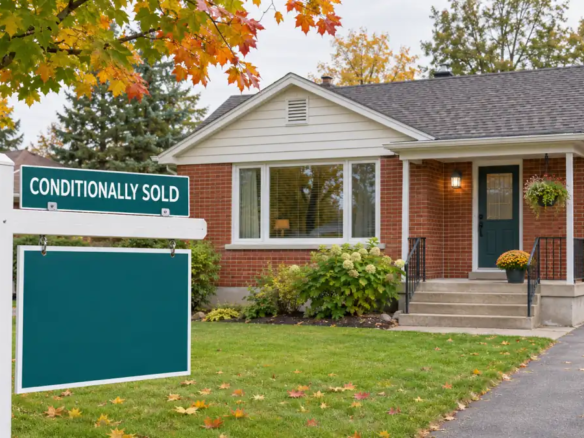
You don’t have to put a sign on the lawn because your mortgage is renewing. But if a move has been on your mind,
get the numbers before signing your next term. It’s easier to plan when you still have choices.
1. Mortgage Renewal in Sault Ste. Marie: Start With Your Options
Changing lenders and changing homes are separate decisions. You might stay in the same house and switch lenders, renew with your current lender, or explore a move with different financing.
The Financial Consumer Agency of Canada recommends shopping around a few months before renewal. A federally regulated lender must provide the renewal statement at least 21 days before the term ends. I’d treat that as a minimum notice period, rather than the start of your planning.
Ask your lender or licensed mortgage broker to show you the payment, total borrowing cost and conditions for the options available to you. Tell them if moving, retiring or changing jobs might be part of the next few years.
- What will the payment be using the remaining repayment schedule?
- What happens if you sell during the next term?
- What would switching lenders cost after any fees the new lender covers?
- If a longer amortization is proposed, how does it change total interest and your debt-free date?
A lower payment needs an explanation. Extending repayment can increase total interest; it doesn’t necessarily mean the mortgage is cheaper.
What about the stress test when switching lenders?
OSFI’s uninsured straight-switch rule removes its prescribed minimum qualifying rate for eligible stand-alone
uninsured mortgages moving between federally regulated lenders at renewal, without extending the remaining
contractual amortization or taking out equity. A limited allowance for transaction costs applies. The new lender
still assesses your application. Have your mortgage professional confirm eligibility; don’t apply this exception
to buying another home or refinancing.
2. When Staying in Your Home Makes Sense
Start with what you would be giving up. If the layout works, the location suits you and the renewed payment fits a realistic budget, staying may be a sensible choice.
There’s value in knowing the house. You know which room gets the afternoon sun, where the water shutoff is, and how much snow ends up at the end of the driveway. Those details don’t appear on a mortgage statement, but they’re part of living there.
I’d look more closely at staying when:
- You expect to use the space for several more years.
- Your budget can handle the renewed payment and a repair allowance.
- The things you dislike have practical, reasonably priced fixes.
- A move would bring substantial costs without solving much.
Be honest about upcoming work. If the roof or furnace is nearing replacement, get quotes and include them in the comparison. “We’ll stay because moving is expensive” is only useful once you’ve looked at what staying will cost too.
And if money is already tight, speak with your lender promptly. Don’t wait for a missed payment or rely on an assumed sale price to make the budget work.
3. When Moving Deserves a Closer Look
A renewal can bring an existing problem into focus. The house may have felt too large for years. Stairs may be getting harder. Or your family may need another bedroom and a workable place to do homework.
Write down what the move needs to fix before looking at listings. “Something smaller” is a starting point. “One-floor living, manageable outdoor work and room for family visits” is a search we can actually work with.
Staying may suit you if…
The house still fits your daily life, the budget
leaves some breathing room, and moving would
offer little improvement after costs.
Moving may suit you if…
A different home would solve a lasting problem,
and the full purchase and monthly budget work
with financing your lender has assessed.
In the Sault, I’d walk through the practical details: driveway size, steps from the car to the kitchen, heating costs, garage space, and the trips you make most often. A bungalow with several steps at the entrance may still miss the mark if easier access is the reason for moving.
A smaller home also isn’t automatically a cheaper home. Condition, location, taxes and condo fees can change the answer. Bring me a few Sault Ste. Marie listings that interest you, and we can compare what they offer against what you already have.
If moving up is the goal, I’d use the same approach. Set a comfortable spending limit before falling for the extra space.
4. Compare the Full Cost, Not Just the Mortgage Payment
For staying, include the renewed mortgage, property taxes, insurance, utilities and a maintenance allowance. For moving, build the same monthly budget for the next property, then add the one-time expenses of selling and buying.
Use estimated net sale proceeds for your down payment planning: sale price less the mortgage payout and selling costs. The asking price of your home isn’t money you can put straight into the next purchase. My home-selling guide explains how I approach the selling side.
A worked example: a cheaper home, with moving costs included
Illustrative figures only. These are invented amounts, not Sault market values, fee quotes or an advertised mortgage offer.
How the next mortgage is estimated
| Assumed sale price | $450,000 |
| Less current mortgage payout | −$250,000 |
| Less selling expenses | −$20,000 |
| Net sale proceeds | $180,000 |
| Less buying and moving expenses | −$10,000 |
| Down payment available | $170,000 |
| Assumed next purchase price | $350,000 |
| Next mortgage: $350,000 − $170,000 | $180,000 |
Monthly cash needed in this example
| Monthly item | Stay | Move |
|---|---|---|
| Mortgage payment, rounded | $1,643 | $1,183 |
| Other housing costs and repair allowance | $650 | $750 |
| Total monthly budget | $2,293 | $1,933 |
The mortgage estimates use an assumed 5% nominal annual rate compounded semi-annually, monthly payments and
20 years of amortization in both cases. That rate is a calculation input, not a current quote or a promise for the
full repayment period. No mortgage insurance premium is included; the example down payment exceeds 20%.
Here, the move reduces the monthly budget by about $360, after allowing for higher other housing costs. It also uses
$30,000 of equity for selling, buying and moving expenses. The $100,000 difference in home prices reduces the
mortgage by $70,000.
This simplified example uses the remaining proceeds as the down payment. Keeping a cash reserve, repaying other
secured debt, or paying a mortgage penalty would change the numbers. The monthly comparison includes principal
repayment, so it is not a measure of investment return or a full break-even calculation.
Your own expense list should include selling fees and applicable tax, legal costs, mortgage discharge or transfer costs, inspection, moving, immediate repairs and any overlap between homes. Ontario also charges land transfer tax on applicable purchases; have your lawyer calculate what applies.
Use the FCAC mortgage calculator to explore payments, then have your mortgage professional confirm the financing. I can help with a realistic sale range and the homes available within your budget.
5. Check Penalties, Portability and Closing Dates
Before choosing a listing date, ask your lender for a written payout estimate for the closing dates you’re considering. FCAC explains that paying out a mortgage before the term ends can trigger a prepayment charge. The contract and timing matter.
Ask how the payout changes if you close before renewal, at maturity, or after starting another term. Don’t assume selling “around renewal” removes every charge. Discharge fees and other closing expenses need checking separately.
If your mortgage is portable, you may be able to take its balance, rate and terms to another home. The FCAC guide to mortgage features recommends checking restrictions with your lender. Get the property approval requirements, deadlines and any change in borrowing confirmed before relying on a port.
I’d also ask what happens if the next purchase closes before your sale. Have any bridge financing or temporary borrowing approved in advance, including its cost and conditions.
Tell your lender about a possible move before renewing
If you may sell soon, ask them to price the flexibility you need alongside the payment. A new term should fit the
plan you’re considering. A short or open option still needs a cost comparison; it isn’t automatically the best choice.
6. Build the Plan Before You Commit
I’d start with two conversations: one with your mortgage professional about borrowing, and one with me about what your home could realistically sell for and what the next home might cost.
Those figures need to meet in the middle. If the move only works at the very top of your hoped-for sale range, we need a more comfortable plan.
Then decide whether selling first or buying first suits your situation. We can discuss financing and sale conditions, a practical closing schedule, and what you would do if the right property takes longer to find. My local home-buying guide covers the wider buying process.
A mortgage renewal in Sault Ste. Marie is a useful reason to review your housing plans. It doesn’t have to become a deadline for moving. If the comparison supports staying, you can make that decision with a clearer picture too.
Before You Renew: Six Things to Have in Hand
- Your mortgage details – Renewal date, balance, remaining amortization and written options.
- A comfortable monthly budget– Housing costs, repair allowance and room for other priorities.
- Your likely sale proceeds – A realistic price range less the payout and selling expenses.
- A next-home budget – Purchase costs, down payment, cash reserve and assessed financing.
- The contract answers – Penalties, portability, switching costs and relevant deadlines.
- A practical moving plan – What the next home must improve and how the closings could work.
Mortgage Renewal in Sault Ste. Marie? Let’s Compare Your Options.
Tell me what you like about your home and what you’d change. I’ll help you look at the local selling and buying
numbers, so you can decide whether a move is worth exploring.
Rob Trembinski | EXIT Realty True North
rob@sellingthesault.com
705-257-9648
Frequently Asked Questions
Start a few months ahead. If selling is a possibility, allow time to review financing, prepare the house and consider the next purchase before choosing your next term.
No. Compare the renewed payment with your full household budget and discuss the available options with your lender. Selling also has costs, so a higher payment alone doesn’t settle whether moving would help.
Yes, subject to the new lender’s approval. Compare the complete offer and switching costs. An eligible uninsured straight switch may qualify for the OSFI exception described above; ask your mortgage professional to confirm your circumstances.
Don’t assume that. Ask for a written payout statement for your intended closing date, including any prepayment charge, discharge fee or other amount owing. Closing before or after maturity can change the answer.
Possibly, if the mortgage permits porting and your lender approves the arrangement. Confirm the new property, borrowing amount, deadlines and costs before making an offer that depends on it.
No. A smaller purchase price may help, but taxes, utilities, repairs, condo fees and transaction expenses can narrow the savings. Compare the specific homes and keep enough cash available for costs after closing.
Have your mortgage professional compare the term, rate, flexibility and potential early-exit cost against your expected timing. There is no single term that suits every homeowner planning a move.
I can help estimate your home’s sale range, outline selling expenses and compare local properties that fit your next stage. Your licensed mortgage professional handles borrowing advice and approval; your lawyer reviews the legal and closing details.
Ready to Take the Next Step?
- Check your selling options: Plan your Sault home sale
- See what a move could look like: Browse local listings
- Talk it through: Get in touch with Rob



Join The Discussion